1. Safety first
The crew checks that the scene is cleared by police and then sets up protective barriers and equipment.
Farley, IA · Dubuque County
Has a death by violence left a property in Farley that no one knows how to clean? Call (877) 812-4220. The team removes fluids, contaminated materials and residue, and keeps the work private.
If anyone is in danger, call 911 first. For a suicide crisis, call or text 988.
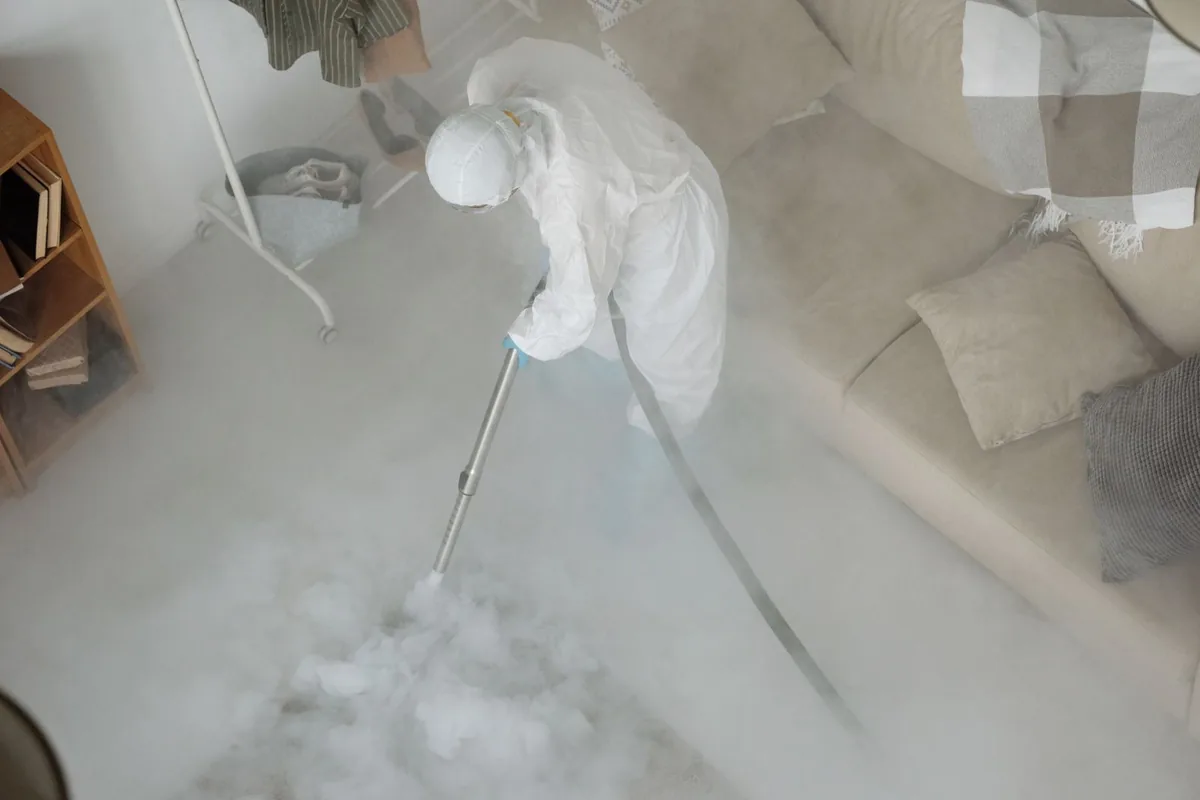
Homicide cleaning is the last step after an investigation closes the scene. Police and investigators do not clean, so a separate cleanup crew removes the hazards and returns the space to a safe condition.
Families in Farley who need homicide cleaners that work discreetly can call Farley Biohazard Cleanup Help. You get removal, disinfection and a final inspection of every treated area across Dubuque County.
Only about 5% of homes in Dubuque County are vacant, so most scenes are found quickly and cleanup starts soon after release. Building age in Farley affects how deep fluids travel, so crews inspect subfloors and wall bases before finishing.
What homicide cleanup covers:
The crew checks that the scene is cleared by police and then sets up protective barriers and equipment.
Carpet, padding, drywall, mattresses and furniture that absorbed fluids are usually cut out and removed.
Contaminated materials are removed, and the affected area is scrubbed, disinfected and treated for odor.
Odor is removed at the source, the air is filtered and each area is checked before the owner gets the space back.
Most homicide cleanup jobs in Farley, IA cost between $2,000 and $10,000, based on published cost guides.
Access and timing can change the plan. A rental that must be turned over or a business that must reopen may need a faster schedule.
| Type of job | Typical range |
|---|---|
| Smaller scene | $2,000 - $6,000 |
| Violent crime scene | $2,500 - $9,000 |
| Larger scene | $3,000 - $10,000 |
Estimates only, not a quote. Sources: Crime scene cleanup cost guide from a biohazard cleanup company, BioCleaners Directory. Price drivers include size of the scene, how deep fluids reached, number of rooms, waste disposal. Call (877) 812-4220 to talk through the job.
Many homeowners policies cover crime or death cleanup after the deductible, though some exclude certain cases. Renters policies often cover cleanup but not the building. Call your insurer before work starts and ask what applies.
They seal off the area, wear protective gear and remove soaked flooring, drywall and furniture. Hard surfaces are cleaned and disinfected. Waste is hauled as regulated medical waste, and the air is treated for odor.
Crews set personal items aside and clean what can be saved. Items soaked with fluids may have to go. The team tells you what it finds, so you decide what matters.
No. Many families set up access by phone through a key holder or manager. You can stay away, and the crew will call with questions about belongings.
It includes blood cleanup, removal of soaked carpet, padding and drywall, disinfection, handling of debris and residue, and odor removal. Crews also sort personal property and document the work.
Expect to supply a bill or receipt, itemized costs and an insurance declaration page or a statement of no insurance. Ask the cleanup crew what paperwork you get. There is no fee to apply, and no lawyer is required.
Cleaners remove the hazard so your family does not have to.
Call (877) 812-4220