1. Assess the property
A walk around the property shows how large the search is, from one corner of a yard to a whole building.
Farley, IA · Dubuque County
A stray needle on Farley property can hurt a child, a pet or a worker. Call (877) 812-4220 to get needle pickup, a thorough sharps sweep and sealed disposal.
If anyone is in danger, call 911 first. For a suicide crisis, call or text 988.
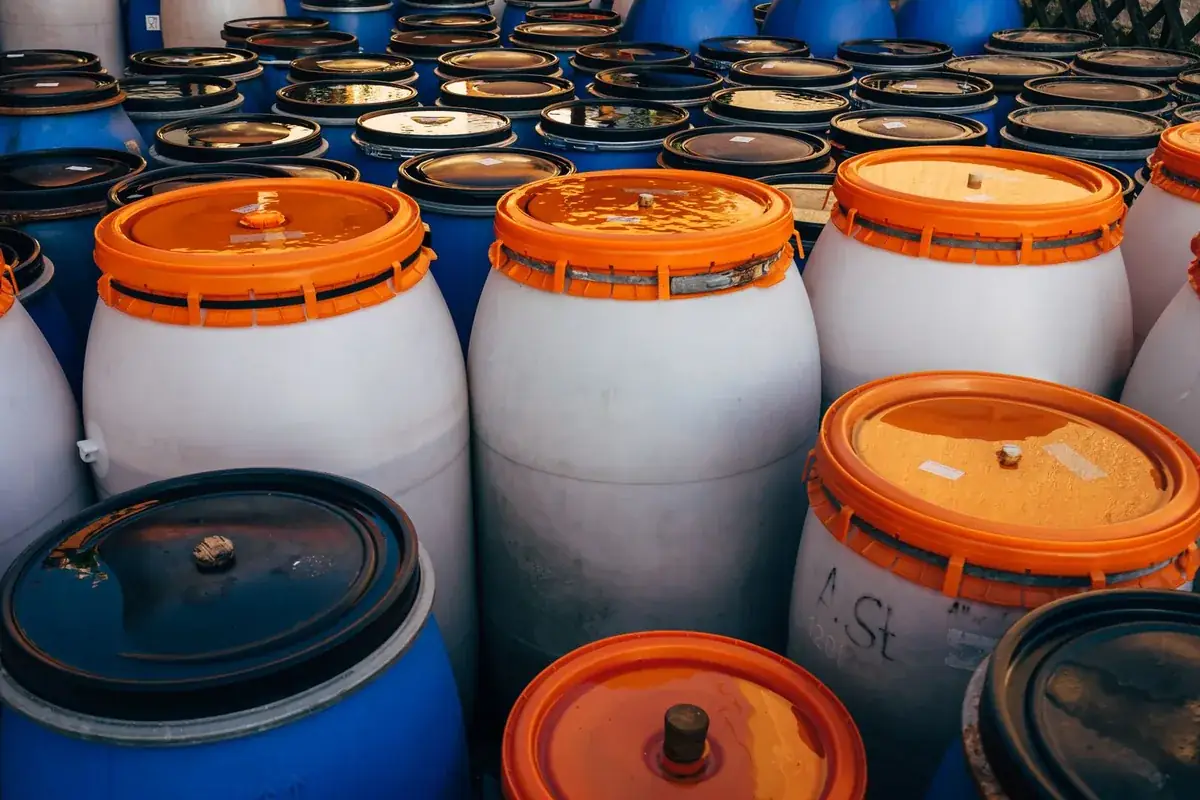
Used needle disposal means placing needles and syringes into rigid containers made to resist punctures, then sending them to a facility that treats medical waste. It keeps workers, children and pets safe.
You will not be judged when you call Farley Biohazard Cleanup Help about needles in Farley or Dubuque County. Crews focus on making the property safe and on disposing of sharps properly, following the rules for regulated medical waste.
The vacancy rate in Dubuque County is only about 5%, so most needle calls come from occupied homes, rentals, yards and businesses. After a needle stick, wash with soap and water and get medical care. Mercyone Dyersville Medical Center in Dyersville is the closest emergency room to Farley.
A typical needle & sharps cleanup job includes:
A walk around the property shows how large the search is, from one corner of a yard to a whole building.
The team moves in a set pattern so no section is skipped, since a single missed needle is still a hazard.
Each needle is picked up with a tool and dropped into a rigid, puncture-resistant container, then sealed.
After the last walk-through, the owner can reopen the area to tenants, customers or family.
The cost of needle & sharps cleanup in Farley, IA depends on the amount of material, how it is packed and how it is hauled.
Access can raise or lower the price. Locked units, stairs, fences and long travel distances all play a part.
| Type of job | Typical range |
|---|
Figures are planning ranges from , not a price for any specific Farley property. Price drivers include number of items, where they are found, whether a sweep of a large area is needed, waste disposal. Call (877) 812-4220 any hour.
A used needle can carry bloodborne pathogens such as hepatitis B, hepatitis C and HIV. The chance of infection from one stick depends on many things, and a doctor can explain what applies. Get medical care promptly after any stick or cut.
Yes. A property owner can call a cleanup team to search a unit or building. Lease terms and local law decide who pays, and a landlord, an attorney or a tenant rights group can say. Ask the team for a record of what was found and removed.
A local biohazard cleanup team can search the area and remove needles and other sharps. Some cities and health departments also help with found needles on public land. For a single needle outdoors, the health department is a good first call, and for anything bigger, a cleanup team.
No. Do not search for them yourself. Tell the team what you have seen and where, and the crew will check the rest of the space in protective gear. Searching by hand is how many sticks happen.
It is a rigid, puncture-resistant box with a locking lid, made to hold needles, syringes, lancets and blades. Cleanup teams use them to seal sharps for transport. Containers should not be overfilled or opened again once locked.
The crew searches the whole area with protective gear and tools. It collects each sharp into a puncture-resistant container, cleans surfaces where sharps lay, and hauls the sealed containers away. A final walk checks that nothing was missed, and the team can provide a record.
A full sweep finds the needles you can see and the ones you cannot.
Call (877) 812-4220